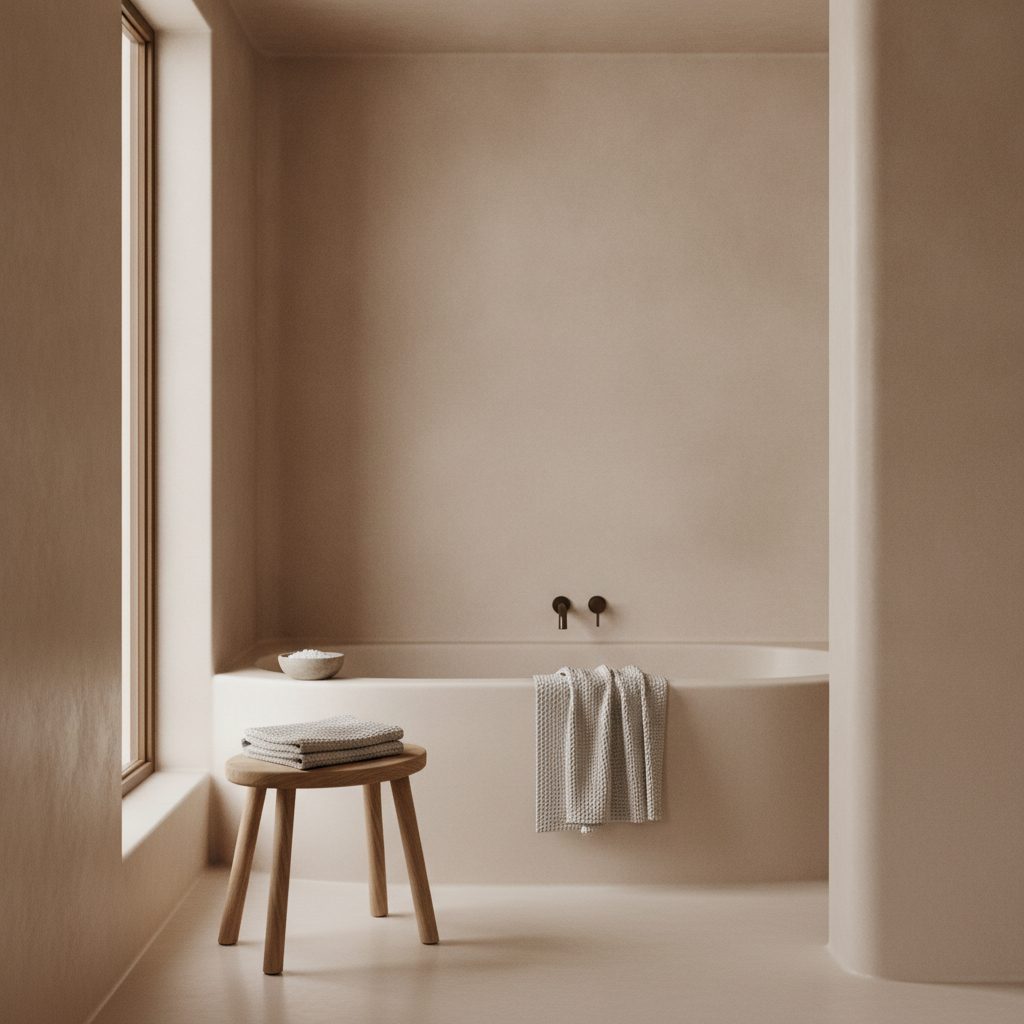
I still remember the first time I saw a tadelakt bathroom. It was in a design magazine, a space so seamless and serene it looked like it had been carved out of a single, beautiful stone. The walls flowed into the shower, the shower into a bench, all without a single grout line. It felt ancient and modern all at once. My first thought was, "Well, that's beautiful, but completely out of reach." It felt like something reserved for boutique hotels in Marrakech or minimalist mansions in California.
But the idea stuck with me. That soft, velvety texture, the way the light played across its subtle imperfections... it was everything I love in a home. It felt warm, organic, and deeply calming. So, I did what I always do: I went down a rabbit hole. I wanted to understand what made that look so special and figure out how to bring that feeling—that soul—into a real-life home, on a real-life budget.
And I'm so glad I did. Tadelakt, a traditional Moroccan lime plaster, is more than just a material; it's an entire mood. It's about embracing texture, simplicity, and the beauty of handcrafted finishes. The good news? You don't need a massive budget or a team of artisans from Morocco to capture its essence. Whether you're planning a full renovation or just want to add a touch of that earthy warmth to your current space, I’ve gathered some of my favorite ideas, practical tips, and styling tricks to help you get that magazine-worthy look you can actually live in.
The Earthy, Organic Spa
This is the look that probably comes to mind first when you think of tadelakt. It’s all about creating a personal sanctuary, a space that feels like a warm hug at the end of a long day. The goal here is to layer natural textures and warm tones to create a bathroom that feels grounded, calming, and connected to nature.
The Palette: We're not talking stark white. Think of the colors of a sun-drenched landscape. The star is a warm, earthy tadelakt on the walls. I'm drawn to tones like a soft greige, a mushroomy taupe, or a creamy beige with the slightest hint of pink, like Farrow & Ball's 'Setting Plaster'. These colors have a beautiful depth and change throughout the day as the light shifts. Pair this with the raw, honeyed tones of natural wood.
Materials & Textures: This is where the magic happens. The contrast between the smooth, cool plaster and warm, organic materials is key.
- The Tadelakt: Imagine this on all the walls, curving seamlessly into a built-in vanity or a tub surround. The lack of grout lines instantly makes the space feel more expansive and serene.
- Wood: Bring in unstained, raw wood. A floating vanity made of solid white oak, a simple teak stool next to the tub for perching a book and a cup of tea, or chunky reclaimed wood shelves for holding towels and toiletries. The grain and natural imperfections of the wood will stand out beautifully against the plaster.
- Metals: This is the perfect place for unlacquered brass. The taps, shower head, and even the toilet paper holder will develop a rich, warm patina over time, adding to the room's lived-in character. It's like a story being told through the finishes.
- Textiles: Think soft and natural. A set of thick, nubby Turkish cotton towels in an olive green or terracotta color. A simple linen shower curtain instead of glass. A small, woven jute or wool rug next to the sink to add warmth underfoot.
Placement & Styling: Keep it simple and thoughtful. Let the materials be the stars. Style your open shelving with items that are both beautiful and useful: amber glass bottles of soap, a natural sea sponge, a small ceramic pot holding toothbrushes, and a bundle of dried eucalyptus. A large, frameless mirror with a soft, rounded shape will enhance the organic feel. For lighting, consider a pair of simple ceramic sconces on either side of the mirror that cast a soft, warm glow.
The Moody, Modern Grotto
If you think tadelakt is only for light and airy spaces, think again! Going dark with tadelakt can create an incredibly dramatic, cozy, and sophisticated bathroom that feels like a secret escape. Don't be afraid of dark colors in a small space; when you use a single, seamless material like this, it can actually blur the edges of the room and make it feel more expansive and intimate, like a grotto or a cave.
The Palette: Embrace the dark side with a deep, dramatic tadelakt. Think charcoal grey, a rich slate blue, or even a murky, deep olive green. These colors have a velvety quality in a tadelakt finish that absorbs light and creates a very enveloping feel. To keep it from feeling too heavy, you'll pair this with sharp, modern accents.
Materials & Textures: The success of this look lies in the high contrast between the soft, textured walls and sleek, minimalist fittings.
- The Tadelakt: The main event. Use it everywhere—walls, ceiling, and especially in a walk-in shower. A seamless tadelakt shower, complete with a built-in bench and niche, is the ultimate expression of this grotto style.
- Metals: Matte black is your best friend here. A sleek, minimalist matte black faucet, a rainfall shower head, and black-framed shower glass will create a sharp, graphic contrast against the soft, dark plaster.
- Fixtures: A wall-mounted sink in a contrasting material, like white ceramic or even cast concrete, will appear to float against the dark wall. A simple, modern toilet blends into the background. If you have the space, a freestanding tub in a matte white or black finish would be a stunning focal point.
- Lighting: This is absolutely critical in a dark space. You need layered lighting. Use recessed, waterproof spotlights in the shower ceiling to highlight the texture of the plaster. Install a sleek LED-backlit mirror to provide bright, functional light for the vanity. Make sure everything is on a dimmer switch so you can dial up the mood and create that cozy, cavern-like glow in the evening.
Placement & Styling: Less is more. Keep accessories to a minimum to let the architecture shine. A single, dark wood stool. Towels in a stark white or a deep charcoal to match the walls. Instead of art, let the texture of the tadelakt and the play of light and shadow be the decoration. A single plant, like a snake plant with its architectural leaves, can add a touch of life.
The Sun-Drenched Mediterranean Retreat
This style is all about capturing the feeling of a lazy holiday on a Greek island or in a rustic Italian villa. It’s warm, bright, and effortlessly chic. It feels clean and simple but is full of texture and rustic charm. The tadelakt here is less about a perfectly smooth finish and more about embracing a slightly more rustic, hand-troweled look.
The Palette: Think of colors bleached by the sun. The perfect tadelakt for this look is a creamy, chalky off-white or a very pale, dusty terracotta. It should feel warm and soft, not stark or cold. This becomes the perfect neutral backdrop for other natural materials. Accent colors can be drawn from the sea and sky—think muted blues and soft greens in textiles or pottery.
Materials & Textures: It's a celebration of natural, humble materials that have been used for centuries.
- The Tadelakt: Apply it to the walls and perhaps a built-in archway over the tub or into the shower. The slightly uneven surface is part of the charm, reflecting light in a beautiful, dappled way.
- Stone & Tile: This is where you can bring in other classic Mediterranean elements. A floor of handmade terracotta tiles (zellige or cotto) adds incredible warmth and character. A heavy, carved stone vessel sink—travertine is a perfect choice—feels authentic and substantial.
- Wood: The wood here should be weathered and rustic. A reclaimed wood beam used as a mantel over a (non-working) fireplace, a simple ladder for hanging towels, or a mirror framed in gnarled, sun-bleached wood.
- Woven Textures: Bring in the feeling of the coast with woven elements. A large pendant light made of rattan or seagrass, a woven basket for laundry, or simple woven grass blinds on the window.
Placement & Styling: Keep the styling relaxed and informal. A collection of small, unglazed ceramic pots on a shelf. A vintage stool next to the sink. The faucet and shower fittings could be a classic brushed nickel or even a polished chrome for a bit of sparkle that feels timeless. Don't be afraid to leave some things perfectly imperfect. A crooked piece of pottery or a frayed edge on a linen towel just adds to the authentic, lived-in charm.
The Minimalist Wabi-Sabi Haven
This approach is less of a 'style' and more of a philosophy. Wabi-sabi is the Japanese art of finding beauty in imperfection and accepting the natural cycle of growth and decay. Tadelakt is the perfect material for this, as its beauty lies in its subtle variations, the marks of the maker's hand, and the way it ages. This bathroom is a quiet, contemplative space, free of clutter and full of soul.
The Palette: The color palette is muted, quiet, and drawn from nature. Think of the color of wet stone, dry clay, or winter fog. A soft, stony grey, a warm putty, or a complex mushroom tone would be perfect for the tadelakt. The goal is a monochromatic and harmonious space where texture, not color, does the talking.
Materials & Textures: The focus is on humble, authentic materials that feel good to the touch.
- The Tadelakt: The key player, used on walls to create a seamless, cocooning environment. The subtle movement and imperfections in the plaster are the decoration.
- Wood: A simple, clean-lined floating vanity in a light wood like maple or ash. The focus is on the beauty of the grain and the simplicity of the form. A single, beautifully crafted wooden bath tray or stool is all you need.
- Ceramics: Look for handmade ceramics with slight irregularities. A simple, organic-shaped vessel sink, a small vase for a single stem, or a textured soap dish. The imperfections are what make them special.
- Linen: A simple Roman blind in a natural, undyed linen. Soft, waffle-weave linen towels. The texture adds a layer of quiet luxury without shouting.
Placement & Styling: This is an exercise in restraint. Every object should be chosen with intention and have room to breathe. Keep countertops almost entirely clear. Decant your soaps and lotions into simple ceramic or glass bottles. A single piece of abstract art with a lot of texture can be a focal point. The goal is to create a space that feels calm and encourages you to slow down. The luxury here is in the quality of the materials and the peacefulness of the uncluttered space.
Pro Styling Tricks: The Finishing Touches
Once you have your core elements in place, it’s the final layer of styling that truly brings a tadelakt bathroom to life. This is how you make it feel personal and polished.
- Master Your Lighting: Lighting is everything in a room that celebrates texture. You need layers. Dimmable sconces beside the mirror provide flattering, shadow-free light. Recessed spotlights can wash a feature wall or highlight the inside of a shower niche. Always choose warm bulbs (around 2700K) to enhance the warmth of the plaster. A dimmer switch is non-negotiable—it's the best tool for creating a spa-like mood.
- Harness the Power of Niches: Since tadelakt creates a waterproof, seamless surface, it's perfect for building niches directly into the wall. A tall, narrow niche next to the sink or a wide horizontal one running the length of the tub are both beautiful and practical. Style them minimally: a few amber glass bottles, a rolled-up washcloth, a small trailing plant. Resist the urge to clutter them.
- Bring Nature In: The earthy, organic nature of tadelakt begs for natural elements. A branch of eucalyptus or olive in a simple vase adds a sculptural element and a lovely scent. Plants that thrive in humidity, like ferns, pothos, or orchids, will love a bathroom environment and add a pop of life and color.
- Tell a Textile Story: Textiles are your chance to add softness and absorb sound. Invest in the best towels you can afford—Turkish cotton, Belgian linen, or a thick waffle weave. A plush bath mat is a moment of pure luxury underfoot. Even a simple, beautifully textured shower curtain can elevate the entire space.
- Engage All the Senses: A truly special room engages more than just your eyes. Think about scent—an essential oil diffuser with a calming lavender or sandalwood scent, a beautiful candle. Think about sound—maybe a small waterproof speaker for listening to calming music or podcasts while you soak. It's these little details that transform a bathroom into a true retreat.
Getting the Look for Your Home & Budget
Okay, let's talk practicalities. True tadelakt is a work of art, and it often comes with an artist's price tag. But that doesn't mean the look is out of reach. Here’s a breakdown of the options:
-
The Real Investment: True Tadelakt This involves hiring a skilled artisan who specializes in traditional lime plaster. It's labor-intensive, applied in many thin layers, and then polished with a special stone and sealed with olive oil soap. Pros: The authentic, original look with unparalleled depth and character. Naturally waterproof and breathable. Cons: It's expensive and can be hard to find a qualified installer. It also requires specific, gentle cleaning and periodic re-sealing.
-
The Savvy Lookalike: Microcement Microcement is a polymer-modified cement-based coating that can be applied thinly over existing surfaces, including tile. It gives a very similar seamless, waterproof finish. Pros: More durable and scratch-resistant than tadelakt, making it great for floors and high-traffic areas. Often slightly less expensive. Wider range of available installers. Cons: It has a slightly more uniform, less rustic look than true tadelakt. The feel is more modern and industrial.
-
The DIY-Friendly Approach: Limewash & Roman Clay For areas outside the direct wet zone (like the walls around your vanity or behind the toilet), you can get a similar textural, matte effect with specialty paints. Limewash (like from Bauwerk) or Roman Clay (from Portola Paints) are applied with a special brush to create soft, cloud-like movement. Pros: Affordable and DIY-friendly. A great way to get the textured look on a budget. Cons: These are not waterproof and cannot be used inside a shower or as a tub surround.
-
The Renter's Best Friend: Tiles & Accessories If you can't change the walls, focus on evoking the feeling of tadelakt. Look for large-format porcelain tiles that have a concrete or plaster effect. With minimal grout lines, they can give a surprisingly seamless look. Then, layer in the accessories: a rustic wooden stool, earthy-toned linen towels, a stone soap dish, and lots of natural textures. You can create the entire vibe without touching the walls.
Frequently Asked Questions
What exactly is tadelakt? It's a traditional waterproof plaster originating from the Marrakech region of Morocco. It's made from lime, which is mixed with marble powder and natural pigments. The final step involves polishing it with a hard stone and sealing it with a special black soap made from olives, which creates its water-repellent surface.
Is tadelakt really good for a wet bathroom environment? Yes! That's what it was designed for. It's been used for centuries in Moroccan hammams (steam baths). It’s naturally water-resistant, seamless (so no grout to grow mold), and its high pH level makes it inherently antibacterial and anti-fungal. Proper installation and sealing are key, of course.
How do you clean a tadelakt bathroom? You have to be gentle. No harsh, acidic, or abrasive cleaners! They can damage the sealed surface. The traditional—and best—way to clean it is with water and the same olive oil-based black soap used to seal it. This cleans and nourishes the plaster at the same time. For hard water spots, a very diluted white vinegar solution can be used sparingly, but it's best to squeegee the walls after a shower to prevent buildup.
Can I DIY a tadelakt application? I'm a huge fan of DIY, but this is one area where I would strongly advise hiring a pro unless you have significant plastering experience. It's a highly skilled craft that takes years to master. A poor application won't be waterproof and can crack or fail. It's better to use a DIY-friendly alternative like limewash and save the true tadelakt for a professional.
Creating a space with the soul of tadelakt is about more than just a material. It's about slowing down, embracing simplicity, and finding beauty in the things that feel real and authentic. Whether you go for the real thing or simply bring in a few earthy textures, I hope these ideas inspire you to create a bathroom that feels like your own personal, peaceful escape.