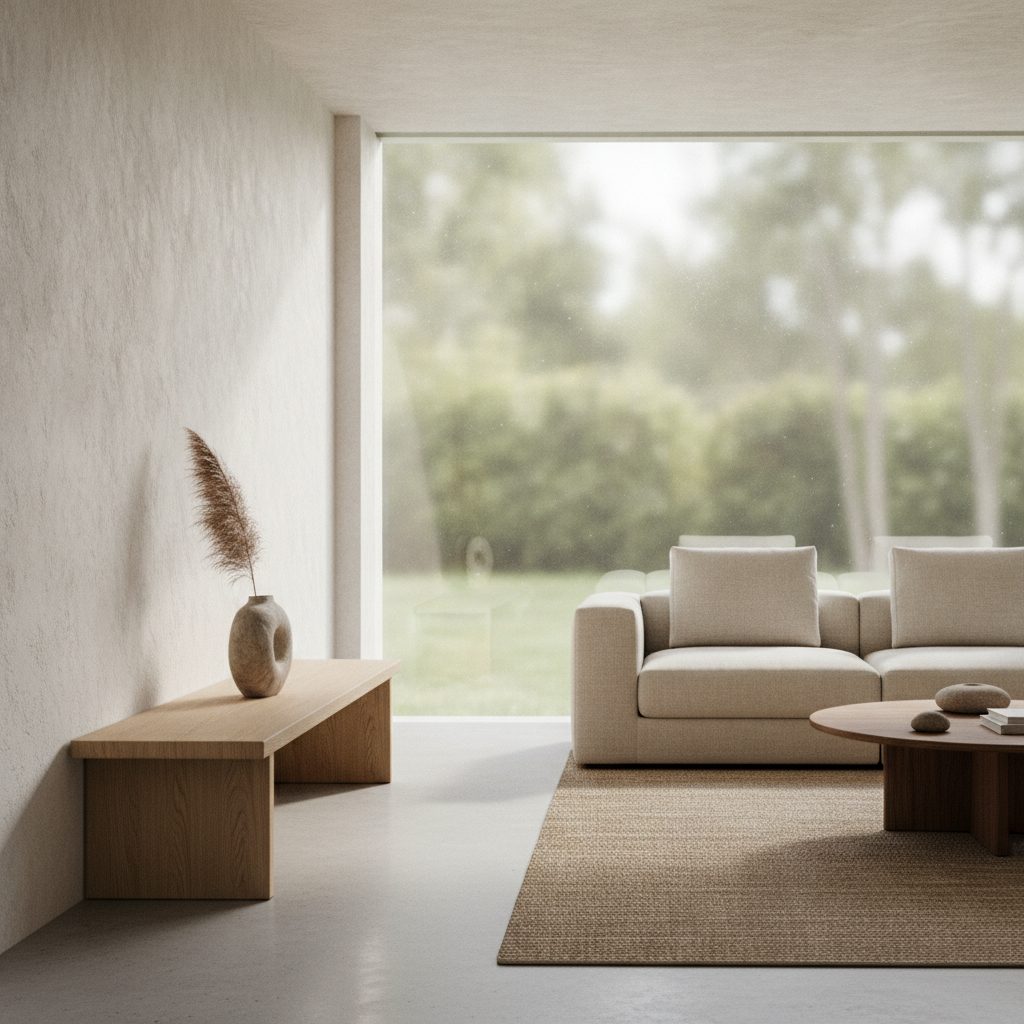
There’s a certain feeling I chase in our home – a quiet sense of calm that settles over you the moment you walk in. And for the longest time, I realized that feeling stopped at the back door. Our yard was… fine. But it wasn’t an extension of our home. It was just a space, not a sanctuary. That’s when I fell completely in love with the idea of minimalist gravel paths.
It might sound simple, but the transformative power of a well-laid gravel path is incredible. It’s more than just a way to get from the patio to the garden shed without getting muddy feet. It’s a design element that introduces texture, sound, and structure. It creates a journey through your garden, encouraging you to slow down and notice the little things.
Lately, it seems like everyone is catching on. These paths are popping up in high-end architectural magazines and on my favorite home accounts on social media. And I think I know why. We’re all craving a bit more simplicity, a connection to nature, and spaces that are beautiful without being fussy. Minimalist gravel paths deliver on all fronts. They have a natural, organic feel that complements almost any style of home, from a modern new-build to a charming old fixer-upper like ours. They are wonderfully low-maintenance (a huge win for a busy family!), and they offer a satisfying crunch underfoot that just feels so grounding.
So, if you’ve been dreaming of adding a little structure and serenity to your own outdoor space, you’re in the right place. I’ve spent countless hours researching, planning, and getting my hands dirty. I’m going to walk you through some of my favorite styles, from a Zen-inspired walkway to a more modern geometric design, and share all the practical, real-world tips I’ve learned along the way. Let’s create a little magic outside.
The Serene Zen Garden Walkway
This is the style that first captured my heart. It’s all about creating a meditative, peaceful experience. Think of a traditional Japanese garden, but distilled down to its simplest, most powerful elements. The goal here isn't just to walk, but to stroll. This path is an invitation to slow down, breathe, and appreciate the beauty of simplicity.
The Vibe: Calm, organic, and deeply tranquil. It feels both ancient and completely timeless.
The Gravel: For this look, the choice of gravel is key. You want something that feels soft and gentle. My top pick is a fine, rounded pea gravel, about 1/4 to 3/8 inch in size, in a pale, soothing color. Think light grey, soft beige, or even a classic white marble chip if you want a bit of sparkle. The smaller, rounded stones create a gentle sound as you walk and are comfortable even under bare feet.
The Stepping Stones: The magic of a Zen path lies in the interplay between the gravel and larger stepping stones. You want large, irregularly shaped flagstones. Don’t go for perfect squares or rectangles. Look for natural stone like dark grey slate or bluestone, which provides a beautiful, grounding contrast to the light gravel. The key to placement is to think organically. Set them with an irregular but comfortable stride, as if they were placed by nature. Make sure to set them low, so they are almost flush with the gravel surface. This creates a seamless, integrated look rather than making them feel like they're just sitting on top.
The Edging: Less is more. For the most authentic feel, you might not use any formal edging at all, instead letting a carefully cultivated border of moss or low-growing ground cover like Mazus reptans create the boundary. If you do need an edge to contain the gravel, consider using larger, smooth river rocks (4-6 inches in diameter) tucked alongside the path to create a natural, rustic border.
Planting and Placement: This path style is about intentional emptiness, or what designers call "negative space." Don't crowd it with plants. A single, beautifully sculptural Japanese Maple with delicate leaves can be a stunning focal point. A small cluster of Black Mondo Grass provides a dark, textural contrast. The path itself might meander gently through an open area, leading the eye toward a simple stone bench or a quiet corner of the yard. It's about creating a sense of discovery and peace.
Practical Notes: Because pea gravel is rounded, it can shift underfoot. A very solid, compacted base and good quality landscape fabric are non-negotiable here to keep it stable. This path is better for low-traffic, contemplative areas rather than a main thoroughfare from the driveway to the door.
The Clean-Lined Modern Geometric Path
If your home’s style leans more contemporary or you just love the satisfying look of clean lines and bold contrasts, this is the path for you. This approach uses the gravel path as a strong architectural element, defining spaces and creating a powerful visual statement. It’s less about meandering and more about making a purposeful journey.
The Vibe: Architectural, crisp, intentional, and high-contrast.
The Gravel: For a modern look, you want gravel that is angular and uniform in color. This is where crushed stone really shines. An angular stone, like a 3/8 inch crushed basalt in a deep charcoal grey or even black, will lock together to create a more solid, stable surface. The dark color creates a dramatic, gallery-like backdrop for your plants and pavers.
The Stepping Stones: Forget irregular flagstones. Here, we embrace geometry. Large-format concrete pavers are the perfect choice. Think 24x24 inch or even 12x36 inch rectangles. You can buy them pre-cast from a home improvement store or, for a more custom look, pour your own. The placement should be deliberate and linear. A single, straight line of pavers down the center of the gravel path creates a strong axis. Or, you could set them in a grid pattern for a checkerboard effect. The key is precision and a consistent gap between each paver.
The Edging: This is where the modern path gets its crisp definition. Metal edging is the absolute best choice. Corten steel is a fantastic option; it develops a stable, rust-like finish that is a gorgeous warm contrast to cool grey gravel. For an even sleeker look, consider black or dark bronze powder-coated aluminum edging. It’s thin, almost invisible, and holds a perfectly straight line like nothing else.
Planting and Placement: This path works brilliantly as a connector. Imagine a dead-straight line running down a narrow side yard, transforming it from a forgotten space into a design feature. Or use it to connect a wooden deck to a concrete patio. The plantings should be just as intentional as the path. Think architectural grasses like ‘Karl Foerster’ Feather Reed Grass planted in a row, or a grid of boxwood spheres. Simplicity and repetition are your best friends here.
Budget Tip: Concrete pavers can get pricey. A great DIY alternative is to create your own using a mold and bags of concrete mix. It's more work, but the savings can be significant, and you get a totally custom size.
The Deconstructed Cottage Path
Maybe the Zen garden feels a bit too sparse and the modern path a bit too rigid for your taste. If you love a look that is soft, romantic, and feels like it has been there for years, the deconstructed cottage path is a perfect fit. It borrows the simplicity of minimalism but infuses it with the charm and warmth of a cottage garden.
The Vibe: Relaxed, romantic, natural, and inviting.
The Gravel: We're moving away from cool greys and into warmer tones. Decomposed granite (DG) is the hero material here. It’s a fine, almost sandy gravel that packs down beautifully to create a firm yet natural-looking surface. It often comes in lovely warm shades of gold, tan, and soft pink that feel sun-drenched and welcoming. A smaller, multi-toned river pebble mix can also work well for a slightly more textured look.
The Stepping Stones: While you can certainly use flagstones here, I love the idea of using reclaimed materials to add to the established feel. Old bricks laid in a simple running bond or herringbone pattern for a small section of the path can add incredible character. You could also use slices of a log (use a rot-resistant wood like cedar) for a truly rustic, woodland feel. The placement should feel intuitive and follow the natural flow of the garden.
The Edging: The key here is softness. Instead of a hard, visible edge, let the plants do the work. This is the perfect path for letting your garden spill over. Plant drought-tolerant, low-growing plants like creeping thyme, sedum, or lamb's ear along the edges. As they grow, they will soften the line of the path, creating a beautiful, seamless transition from path to garden bed. If you need a bit more containment, a simple edge of fieldstone or larger river rocks looks natural and unstructured.
Planting and Placement: This path should wander. A gentle curve that disappears behind a flurry of lavender or a cluster of climbing roses creates a sense of mystery and makes the garden feel larger. The plantings should be billowy and informal. Think lavender, catmint, Russian sage, and ornamental grasses that will sway in the breeze and tickle your legs as you walk by. It’s about creating an immersive, sensory experience.
Practical Notes: Decomposed granite can get a bit dusty when dry and muddy when very wet. Some varieties can be mixed with a stabilizer to create a harder, more resilient surface that's still permeable. This is a great option for higher-traffic areas.
The Smart & Savvy Budget-Friendly Path
You don't need a huge budget or a sprawling yard to get this beautiful, functional look. With a little bit of planning and some sweat equity, you can create a gorgeous gravel path as a weekend project. This is all about being strategic and choosing materials that give you the most bang for your buck.
The Vibe: Smart, attainable, and impactful.
The Area: The key to a budget-friendly project is to start small. Don't try to tackle your entire yard at once. Is there a small, worn-down patch of grass between the house and the garage? A narrow side yard that’s become a dumping ground? These are the perfect spots for a starter gravel path. A small, well-executed path looks a thousand times better than a large, half-finished one.
The Must-Have Investment: If you only splurge on one thing, make it the landscape fabric. Do not skip this step! A high-quality, professional-grade woven fabric will save you endless hours of weeding down the road. It’s the single most important element for a low-maintenance path.
The Gravel: Instead of ordering a huge delivery from a landscape supply company, check out your local home improvement store. They sell a variety of gravel types in manageable bags. It might be a bit more expensive per cubic foot, but you can buy exactly what you need with no waste. Pea gravel is often the most affordable and widely available option.
The Stepping Stones & Edging: This is where you can get creative and save money. The 12x12 inch or 18x18 inch basic concrete pavers from a big-box store are incredibly affordable and can look great when placed with care. For edging, the most budget-friendly option is the black plastic landscape edging that comes in a roll. While it’s not as sleek as metal, it does the job of containing the gravel perfectly well. Just be sure to install it correctly so the top edge is almost completely hidden by the gravel and soil.
Renter-Friendly Tip: If you're renting, you can still do this! Create a 'floating' path. Instead of digging down, lay your landscape fabric directly on the ground (you may need to scalp the grass very low) and build up from there with a simple border of pressure-treated 2x4s laid on their side and a shallower layer of gravel (2 inches is enough). It creates the same look and feel, and it can be removed when you move out.
The Practical Nitty-Gritty: Getting It Right
Okay, let's talk about the real nuts and bolts. A beautiful path is all in the prep work. It’s the un-glamorous part, but trust me, doing it right the first time will make all the difference.
-
Choose Your Gravel Wisely: We've talked about styles, but think about function.
- Pea Gravel: Rounded, small (1/4" - 5/8"), comfortable to walk on, but it does shift and can get tracked indoors. Best for low-traffic areas.
- Crushed Angular Stone: Angular, locks together for a stable surface. Excellent for walkways and driveways. A 3/8" size is a great all-purpose choice for walking paths. Can be sharp on bare feet.
- Decomposed Granite (DG): Very fine, packs down hard. Creates a soft, natural look. Can get dusty/muddy unless a stabilizer is used.
-
The Foundation is Everything: A stable path starts with a solid base.
- Excavate: Mark out your path with string or spray paint. Dig down about 4 inches. You need room for a base layer and your gravel.
- Tamp it Down: Once you've dug out the path, use a hand tamper (you can rent one) to compact the soil at the bottom. This prevents sinking later on.
- Add a Base Layer (Optional but Recommended): For a really solid path, add a 2-inch layer of paver base (a mix of sand and larger gravel) and tamp that down firmly.
- Lay the Landscape Fabric: Roll out your high-quality, permeable landscape fabric, overlapping the seams by at least 6 inches. Use garden staples to pin it down securely. This is your weed barrier!
-
Edging is Your Best Friend: Install your edging before you add the gravel. This creates the 'tub' that will hold everything in place. Whether you choose metal, stone, or plastic, make sure it’s installed securely according to the manufacturer's directions.
-
Add the Gravel: Now for the fun part! Shovel or wheelbarrow your gravel into the path. Aim for a depth of about 2 to 3 inches—enough to cover the landscape fabric completely but not so deep that it's difficult to walk on. Rake it smooth to get an even surface.
Common Mistakes I See (And How to Avoid Them!)
We all make mistakes, but in landscaping, they can be a real pain to fix. Here are a few common pitfalls I see people fall into with gravel paths.
- The Weed Catastrophe: The number one mistake is skipping the landscape fabric or using a cheap, thin plastic sheet. Weeds are persistent! They will find their way through. Invest in the good stuff; your back will thank you.
- The Sinking Feeling: If you just dump gravel onto bare soil, your path will sink and become uneven over time, especially after heavy rain. Taking the time to excavate and tamp the ground creates a stable foundation that will last for years.
- The Great Escape: Without proper edging, your carefully placed gravel will slowly but surely migrate into your lawn and garden beds. It looks messy, and you’ll constantly be losing your material. Edging is essential for a crisp, long-lasting look.
- The Tight Squeeze: A path that is too narrow feels awkward and uninviting. For a main walkway, aim for a minimum width of 3 feet, which is comfortable for one person. If you want two people to be able to walk side-by-side, you’ll need 4 to 5 feet.
- The Gravel Tracker: Be mindful of placement. Using small, loose gravel like pea gravel right next to your back door can mean you're constantly tracking little stones into the house. If your path leads to a door, consider placing a few large, solid pavers right before the entrance to act as a landing spot where you can wipe your feet.
Your Gravel Path Questions, Answered!
I get a lot of questions about the practicalities of living with gravel. Here are some quick answers to the most common ones.
How much does a gravel path cost?
This varies wildly depending on your location, the materials you choose, and whether you DIY or hire a pro. For a DIY project, you can expect to pay anywhere from $2 to $5 per square foot for basic materials (gravel, fabric, plastic edging). Using premium stone and metal edging can push that closer to $8 to $15 per square foot. Hiring a professional landscaper will be significantly more.
Is gravel really low-maintenance?
It’s low, not no maintenance. You'll avoid the regular mowing, watering, and fertilizing of a lawn. However, you will need to occasionally rake it smooth to even out any low spots, and pull the rare, stubborn weed that might pop through. Every few years, you may need to top it up with a fresh layer of gravel as it settles.
Can you use a wheelbarrow on a gravel path?
Yes, but it's easier on some types of gravel than others. A path made with compacted decomposed granite or a small, angular crushed stone will be much easier to roll a wheelbarrow over than one with deep, loose pea gravel.
What's the absolute best type of gravel for walking?
For a combination of stability and comfort, my top pick is a 3/8-inch crushed angular stone. It locks together nicely so it doesn't feel like you're walking on sand, but it's small enough that it doesn't feel lumpy or awkward underfoot.
Creating a path in your garden is such a rewarding project. It’s a physical change you can make that fundamentally alters how you use and feel about your outdoor space. It's about more than just stone and edging; it's about carving out a little slice of peace for yourself and your family. So pick a style that makes your heart sing, roll up your sleeves, and get ready to create a space you’ll love for years to come.